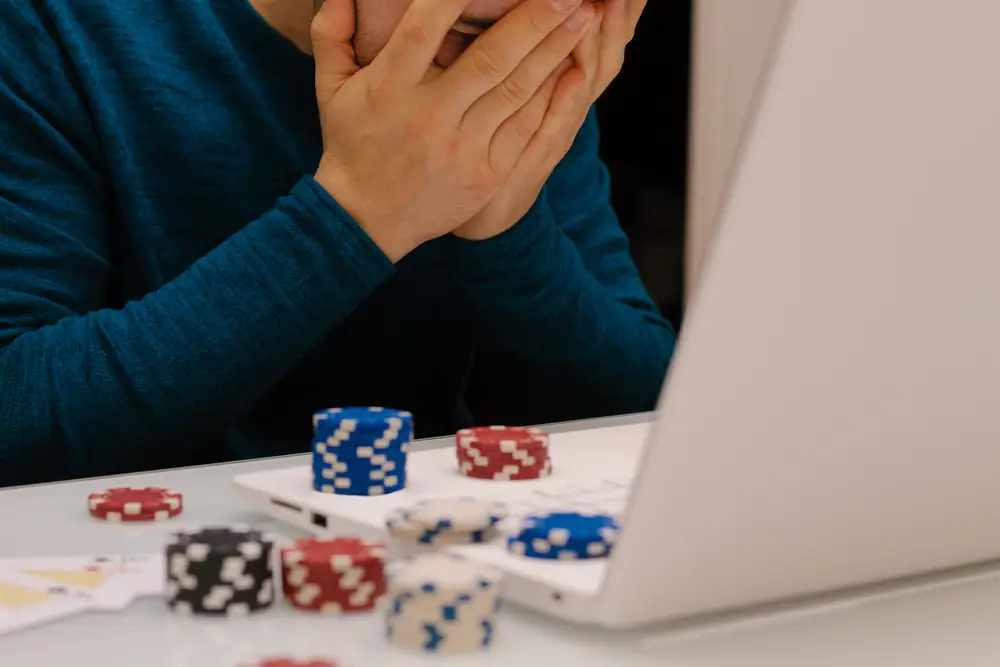
“I feel empty.” Those were the words that riveted my attention when a young client, once gainfully employed, described how online gambling had taken over his life. He lost his job, felt ashamed for letting down his family, and withdrew socially. Aside from therapy, he sank into depression and apathy. His anguish was reflected in his empty eyes. I worked with him using behavioral activation, education about addiction as an illness, and motivational interviewing to help move him from contemplation toward action.
At Bleuler Psychotherapy Center, I appreciate that addiction is never overlooked. I remember the excitement when the clinic received its certification to treat gambling disorder as a distinct focus of care. This gave me confidence that I had found the right team, one committed to moving care in the right direction for our clients. When counselors reach out to me about a shared client, we collaborate fully: they ask me about medications, and I ask them about therapeutic strategies that might help. This mutual support strengthens treatment.
How Gambling Disorder is Classified
In the DSM-IV, gambling disorder was listed separately. In the DSM-5, it was moved into the category of Substance-Related and Addictive Disorders, alongside alcohol, cannabis, opioids, stimulants, and tobacco-related disorders.
The Pathways Model of Problem Gambling is an important framework, recognizing that not all gamblers are the same. Gambling develops along different trajectories:
- Pathway 1: Behaviorally Conditioned – clients who begin gambling socially or for recreation, and whose gambling escalates due to conditioning and distorted beliefs about winning.
- Pathway 2: Emotionally Vulnerable – clients who gamble to escape painful emotions, often with poor stress coping skills, trauma histories, or difficult family backgrounds.
- Pathway 3: Antisocial Impulsivists – clients with high impulsivity, antisocial traits, attentional issues, and co-occurring substance use.
I am learning to map my clients according to this model and use tools like the Gambling Pathways Questionnaire (GPQ) and Problem Gambling Severity Index (PGSI) to identify risk and severity.
Strengthen Your Relationship Today
Take the first step toward a healthier, more fulfilling partnership. Speak with one of our specialized couples therapists in Queens.
Treatment Options and Evidence
In my role, I look to consolidate substance use treatment with pharmacological support when appropriate. Evidence from Cochrane reviews suggests some promise, though of low quality, for opioid antagonists (such as naltrexone and nalmefene) and certain atypical antipsychotics like olanzapine in reducing gambling severity. Antidepressants do not appear effective, and results for mood stabilizers remain uncertain.
Emerging Addictions in Youth
As a child psychiatrist, I also see increasing concerns from parents, teachers, and counselors about “gaming addiction,” “internet addiction,” and the negative impact on school performance. These situations present opportunities to intervene early, help children question their behaviors, and equip them with healthier coping strategies.
Reflection
Gambling disorders and other behavioral addictions remind us that addictive behaviors take many forms, each with unique causes and consequences. With comprehensive assessment tools, evidence-based treatments, and teamwork among clinicians, we can support clients in finding healthier paths forward.