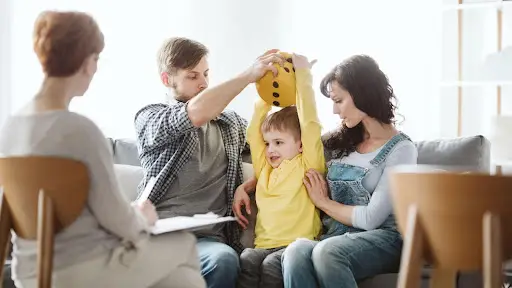
Resentment usually doesn’t enter a relationship all at once. Instead, it develops with each moment that may seem small at the time but builds and builds until it becomes emotionally relevant months or years later. A partner doesn’t feel heard during a stressful discussion. An important desire isn’t recognized or validated. Bids for emotional connection or support are misunderstood or ignored. While small in and of themselves, these experiences provide the building blocks for resentment.
Rather, when grudges occur, the pair tends to carry on anyway. They can deal with the schedules, the responsibilities, and the obligations. In other words, everything appears to work just fine on the outside. Yet a distance begins to build, an emotional distance, and the frustration that once was experienced now leads to cautiousness rather than effortless connection.
These feelings of resentment do not imply that the relationship is irreparable. It means that there has been an inability for these emotional needs to be fulfilled. Seeking couples therapy in Queens, NY, or any other region for that matter, is possible through an outpatient process where the goal is to regain relational connection. This article will discuss resentful behaviors, the effects they cause between couples, and how couples therapy helps.
How Resentment Can Arise In A Relationship
Resentment can start small, through moments of feeling unheard or not responded to. A member of the couple can state a need or concern, or feeling, and not have it taken care of. Resentment can start through unresponded bids for attention or reassurance, or support. Through these moments, one can understand that their feelings and emotional experiences are not fully recognized.
Unequal Emotional and Practical Labor
Unequal emotional and pragmatic labor is another source of this conflict. Where there is an imbalance in responsibility in terms of emotional nurturing and maintenance of the space, this leads to inequality. Sometimes the imbalance is accepted and never addressed, and this fuels irritation on the part of the aggrieved party, who feels they are being taken for granted.
Conflict Avoidance and Unspoken Frustration
Conflict avoidance is another important aspect. Many couples prefer peace to the truth, avoiding discussions that might create conflict. This may keep the peace in the short term, but it allows the underlying feelings of frustration to build up. Needs are left unattended, which leads to feelings of anger due to the lack of openness in communication.
How Resentment Builds Quietly
Resentment may silently build because everyday operations cloud the lack of intimacy. While this may seem paradoxical, a relationship can still serve a set of needs through shared patterns, child-rearing responsibilities, and or a shared social life, yet lack intimacy.
How Resentment Alters The Emotional Tone of The Relationship
With the growing resentment, the feeling or mood that is found in the relationship changes. There is a withdrawal of emotions. As such, they shield themselves through decreased vulnerability to avoid those unpleasant emotions. Rather, they are guarded in their relationships.
Increased Irritability and Defensiveness
Irritability and defensiveness escalate. Even ambivalent statements can be perceived as criticism, and disagreements can mushroom rapidly. Resentment predisposes the partners to anticipate disappointment, making patience a harder act to access. Conversations may feel circular and unresolved, perpetuating a view about futility.
Loss of Positive Assumptions
Positive assumptions about each other start to break down. Things are seen through a negative filter, and the empathetic connection for the other person’s points of view starts to fade.
Decline in Affection and Intimacy
There can be a lack of warmth or closeness physically because physical closeness feels risky due to compromised emotional intimacy. Partners may yearn to be with each other yet not know how to do so.
Why Couples Turn To Therapy When Feelings of Resentment Become Unbearable
In many cases, couples seek the help of a counselor once they recognize the fact that the conversations lead nowhere. In other cases, a couple can find themselves having the same conversations on a repetitive basis without an end in sight, as they go through the motions of pointing fingers at each other while defending themselves or shutting each other out.
Despite frustration, many couples want repair, not separation. They want change, not a breakup. Feeling resentful and yet wanting repair can occur simultaneously. A therapy session becomes a place for working through all these conflicting emotions.
Shifting from Blame to Patterns
An essential mindset shift happens when couples realize that resentment is not an individual problem. Rather than dwelling on who is to blame, therapy allows couples to observe the patterns they are stuck in. This is a powerful way to move toward working together.
Why Couples Choose Outpatient Counseling in Queens, NY
Couples therapy in Queens, NY, may be regarded as the top preference due to its integration within everyday life. Couples therapy in Queens, NY, provides couples with the chance to attend outpatient treatment without having to step away from work, family, or other joint responsibilities.
What Couples Counseling Aims to Achieve When Resentment Is Present
When resentment is present, therapy is focused on discovering underlying experiences that cause resentment. Resentment is a common coping mechanism with emotional detachment that occurs consistently. This treatment works together to identify unmet emotional needs that have been disconnected over time.
Strengthen Your Relationship Today
Take the first step toward a healthier, more fulfilling partnership. Speak with one of our specialized couples therapists in Queens.
Rebuilding Emotional Safety
Restoration of emotional security is a major objective. Therapy provides a structured setting in which truth can come out without intimidation. Ways of listening and speaking without blame or defensiveness are acquired by the partners. As a result, the expression of challenging emotions becomes clearer and kinder.
Moving from Blame to Shared Responsibility
Secondly, there is a shift away from blame toward shared responsibility. Counseling increases awareness for couples toward relational cycles rather than individual deficits. Both partners can recognize how they are contributing to the cycle.
Developing Healthier Communication Patterns
Better habits of communication have to be developed. Here, couples learn how to express their needs appropriately and respectfully and resolve misunderstandings in the moment rather than letting them build up.
How Counseling Supports Emotional Reconnection
Reconnection happens incrementally through ongoing emotional repair. Counseling can assist couples in learning each other’s ways of validating emotional experience, no matter how different their perspectives. Being seen and understood can help end defensiveness and build trust.
Reducing Emotional Reactivity
Decreasing emotional responsiveness can be another important aspect of this process. As couples develop an understanding of their dynamics, they find it easier to pause and respond thoughtfully rather than react emotionally. This opens the way for vulnerability, allowing fears, disappointments, and hopes to be expressed.
Transparency and Trust
Transparency correlates with trust building. Therapy helps ensure that expectations and emotional needs are communicated clearly and openly within the relationship.
Strengthening Emotional Attunement
Strengthening the development of emotional attunement is important as well. Couples are taught how to respond in an empathic, nondefensive manner to emotional cues.
Rebuilding Positive Interactions
Positive interactions can increase as emotional safety returns. Appreciation, warmth, and shared enjoyment can gradually reemerge once the connection is restored.
Why Outpatient Couples Therapy Is An Effective Modality
Outpatient couples therapy is an effective approach since it treats problems and challenges found within actual relationships. Techniques gained through this method can be practiced outside of sessions in everyday life.
In-person and telehealth visits enable flexible access. This continuity of care allows couples to maintain therapy even during busy or changing schedules.
Outpatient counseling is appropriate for relational challenges such as resentment, communication difficulties, and emotional disconnection. Counseling focuses on communication improvement, emotional repair, and rebuilding connections. If additional support is required, referrals outside of counseling are considered carefully.
Common Misconceptions That Hinder Couples from Seeking Help
One common myth is that counseling indicates the relationship is failing. In fact, counseling is an active maintenance process. Seeking therapy before resentment becomes irreversible demonstrates commitment rather than defeat.
Some couples feel they have waited too long. However, resentment can be addressed even after long periods of disconnection. Awareness is the first step toward repair.
Another concern is the fear that counseling will take sides. Effective counseling focuses on understanding relational patterns rather than assigning blame. A balanced approach ensures that both partners feel heard and respected.
Conclusion: Repair Over Distance
Couples counseling in Queens, NY, provides structured outpatient support for rebuilding connection when resentment has taken hold. Resentment is not a final judgment on a relationship. It is an indicator of unmet needs and disrupted connections that can be repaired.
Counseling normalizes the desire for emotional repair and stability. With appropriate support, couples can move from distance to closeness and from mistrust to trust over time.
Bleuler Psychotherapy Center provides relationship therapy and counseling for couples through its Queens locations. With a long-standing presence in the community, the center offers outpatient psychotherapy focused on communication, emotional repair, and rebuilding connection.